Non-Fiction & Cultural Essays
The finest non-fiction and essays on society, travel, and strong opinions.
- Written by William T. Hornaday
Published April, 1886
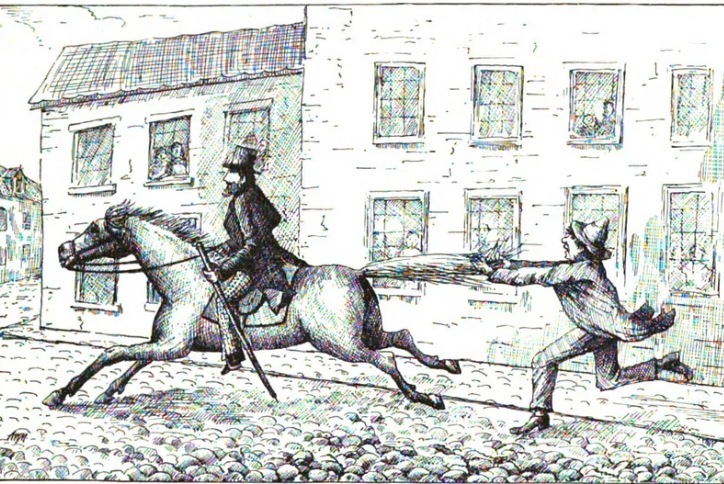
“Tomorrow, we may as well do the great ash-pile.” When a reckless geologist makes such a suggestion over sour Neapolitan wine, a quiet day is out of the question. What follows is a chaotic ascent of Vesuvius involving runaway horses, a grueling climb through knee-deep ash, and a guide driven to distraction. But the true test of nerve awaits at the summit. Ignoring all safety warnings, the Professor leads a descent into the smoking crater itself, proving that for some Victorian travelers, the best view is always from the edge of the inferno.
- Written by Joseph Howard, Jr.
Published November, 1888
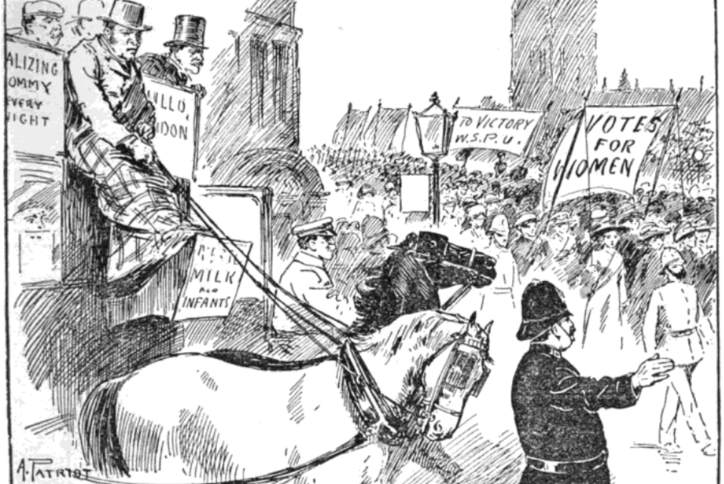
We often imagine the past as a time of dignified statesmanship, but this 1910 article shatters that illusion with delightful cynicism. Asking plainly if elections are a total failure, the author chronicles a history of American chaos that rivals anything we see today. You’ll read about the “blood, blood, Jay Gould’s blood” chants during the Cleveland-Blaine contest and the statistical oddities of Lincoln’s victory. It is a fascinating, if slightly depressing, reminder that bribery, mobs, and electoral college controversies are American traditions as reliable as the sunrise.
- Written by S. G. W. Benjamin
Published Jan., 1889
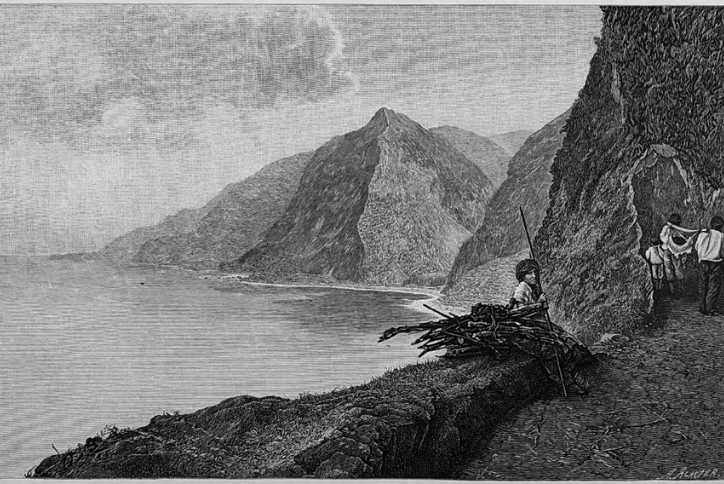
Leaving behind the fierce gales of a Boston March, our narrator finds refuge in the subtropical enchantment of Madeira. Here, the transition is absolute: from snow to eternal summer, where bougainvillaea climbs the terrace walls and bullocks drag sledges over glass-smooth pebbles. It is a travelogue of delightful contradictions, mixing the thrill of a rapid descent down steep acclivities with the quiet tragedy of the island’s first lovers. This piece captures a world where nature acts as a host rather than an adversary, offering a glimpse of a life lived entirely for pleasure.
- Written by William Hosea Ballou
Published Feb., 1889
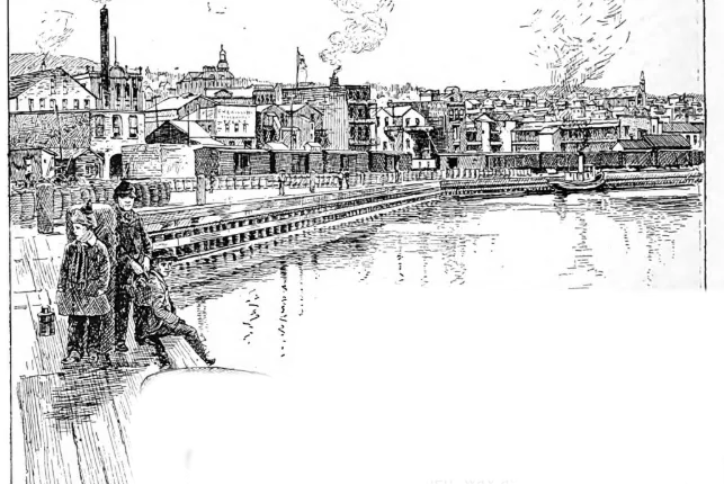
This 1889 account chronicles the thunderous arrival of industry to the quiet shores of Lake Superior. We follow the path of the “strolling miner” Captain Nathaniel Moore, whose discovery in the Gogebic Mountains turned the streams crimson with rich iron ore. From the bustling grain elevators of Duluth to the vast fishing nets of the Apostle Islands, the narrative captures the precise moment when commerce began to win its way against the wilderness. It is a fascinating snapshot of a region transforming from remote trading posts into an empire of steel and steam.
- Written by William Waldorf Astor
Published December, 1889
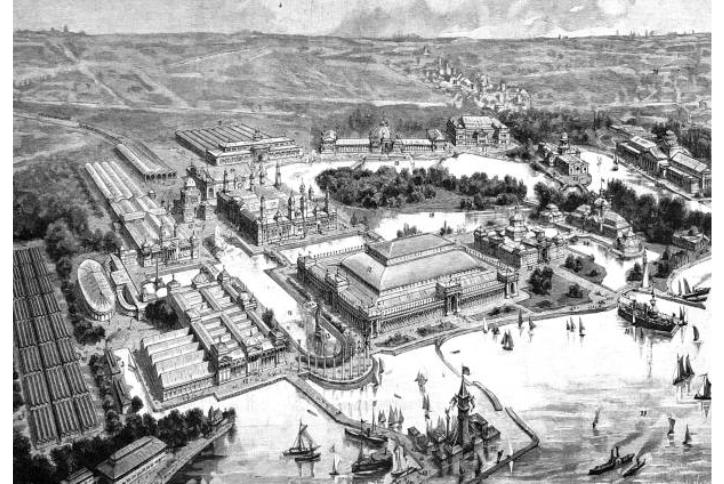
William Waldorf Astor responds to Senator Farwell’s advocacy for Chicago to host the 1892 Columbus Exhibition, arguing instead for New York. Astor contends that Chicago’s inland location and agricultural focus would limit foreign participation and reduce the exhibition to a mere county fair, while New York’s maritime position and international connections make it the natural gateway between America and the world. He envisions the exhibition as a grand historical showcase of four centuries of civilization since Columbus’s discovery, displaying progress in thought, art, science, and human achievement from all nations. Astor emphasizes that New York’s historic supremacy and accessibility to foreign exhibitors are essential for creating a truly international celebration worthy of Columbus’s legacy.
- Written by Olive Thorne Miller
Published March, 1888
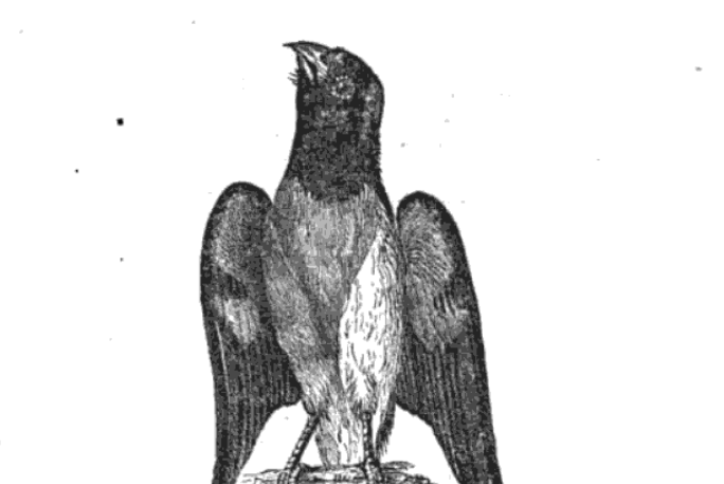
Among the flutter and chaos of a crowded bird room, one resident stood apart with the quiet dignity of a gentleman in a frock coat. Bearing a shield of rose upon his breast, this Grosbeak possessed the soul of a philosopher and the table manners of a civilized guest. He scorned the vulgar restlessness of the thrushes, preferring to watch the street below like a living panorama. But even a creature of such rigid habit has his eccentricities, ranging from his silent wars over perch height to his terrified standoff with a stuffed owl.
© 2026 All Rights Reserved.